Water and wastewater infrastructure has grown beyond gravity-based systems. Pumping systems that are designed and constructed are essential to ensure that water flows safely and efficiently as communities expand and the land available becomes harder to develop. Pump stations that have been designed well can handle everything from wastewater collection to stormwater control, potable water distribution and industrial operations.
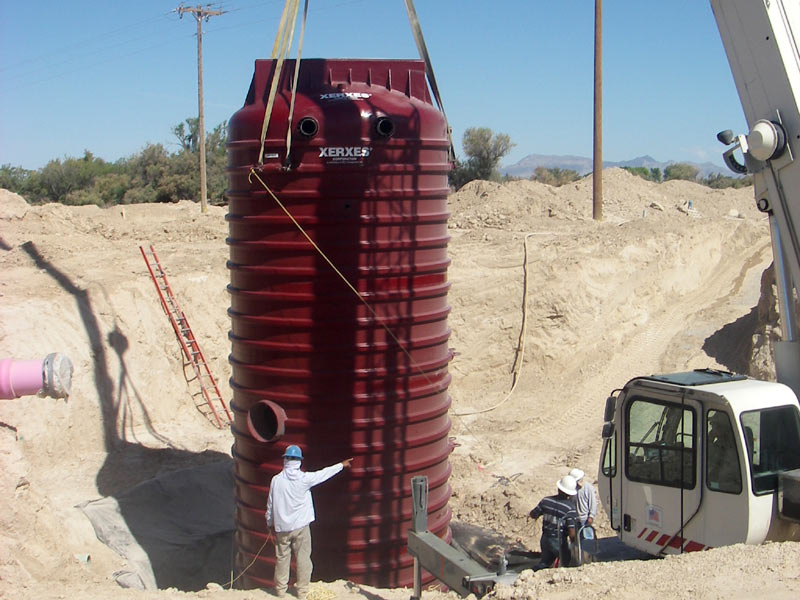
Each pumping system is different, from the elevation, to flow requirements, water qualities, and even ownership requirements. When you address these aspects in the initial design phase you can lower the possibility of future problems and make sure that the system will perform according to the specifications for many years.
Why Package Pumping Systems Have to Be Designed to be Project Specific
A packaged pumping system is designed to be an entire, integrated system rather than a set of off-the-shelf components. The method of designing a package pumping system depends on many factors, including the site’s conditions, environmental laws and operational requirements. Each of these facilities requires distinct structural designs, techniques for control and configurations of pumps.
By analyzing flow rates and duty points, and lifecycle costs upfront engineers can create rough layouts and budgetary estimations which will help make better decisions. This helps reduce the need for changes. It prevents unexpected costs while construction is in progress and ensures everyone is on the same page from the beginning.
Wastewater Lift Stations in Modern Development
As urban areas continue to grow, sewer infrastructure must adapt to challenging terrain and growing service areas. A wastewater lift station allows sewage to be conveyed from lower elevations to higher collection points, ensuring reliable transport to treatment facilities. These systems are essential for areas in which gravity flow alone will not keep up with demand.
Wastewater lift stations have to be able to manage variable flows, handling solids, corrosion resistance and comply with the requirements of regulatory agencies. Municipal systems are often built with long-term reliability and maintenance ease in mind, whereas private and industrial systems might be more concerned about capacity and adaptability. Custom engineering makes sure that pumps, structures, controls and other components are selected to suit the particular operating environment.
Stormwater Lift Stations & Environmental Protection
The need to control stormwater is increasing as the increase in the density of development and weather patterns are becoming unpredictable. A well-designed lift station to manage stormwater will help control runoff and detention ponds that minimize flooding. These systems also assist in environmental protection by directing stormwater for treatment prior release into the natural waters.
Stormwater pumps need to work effectively across a wide range of conditions for flow – from light rain to strong storms. They are designed with high flows, seasonal variations and sustainable long-term planning in mind. Flexible pump technology and materials allow systems to be able to adapt to the changing demands.
Pumps are used for Industrial Use and Clean Water
Pump stations aren’t just for municipal use. Industrial facilities rely on pumping systems that handle high temperature fluids, high-pressure applications liquids that are oily, as well as chemically aggressive waste streams. To design for such environments it is necessary to have specialized knowledge and to carefully select materials.
Residential, commercial, as well as municipal distribution of water are supported by systems that supply fresh water and sanitation, including booster stations. To ensure the satisfaction of users and security, it’s crucial to keep a steady flow and pressure. Pump stations that are intended for irrigation groundwater, reclaimed water, extraction, and other large water features must balance efficiency with longevity.
A single, integrated design source
Complexity and risk can arise due to coordination between multiple vendors that provide electrical, structural, mechanical, and control elements. The use of a single-source model for design and supply simplifies the task and boosts compatibility with the system. The use of experience from a variety of different pumping scenarios, design teams are able to design practical solutions fast and effectively.
Romtec Utilities uses this integrated approach to wastewater, stormwater and industrial uses in addition to clean water. In managing every aspect of the pumping system, from the design and selection of equipment to structural housing and control projects, you will get streamlined communication and a consistent quality.
Today’s infrastructure is based on the capability of pumping systems to respond to actual circumstances, not on generic assumptions. An intelligent design, rapid evaluation, and seamless execution will ensure that each pump station performs reliably while satisfying the long-term needs of their owners and operators.